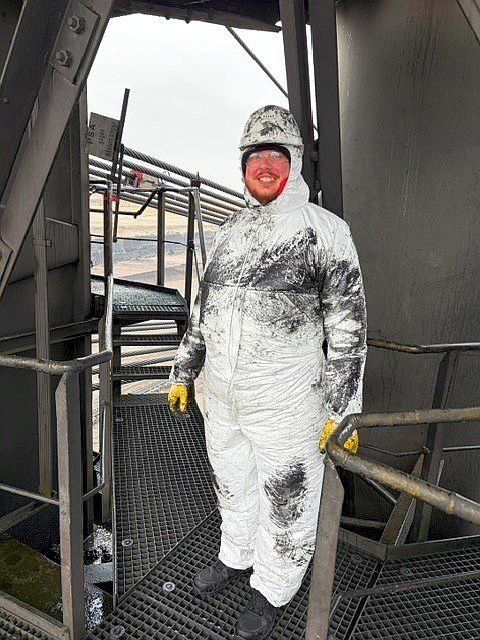
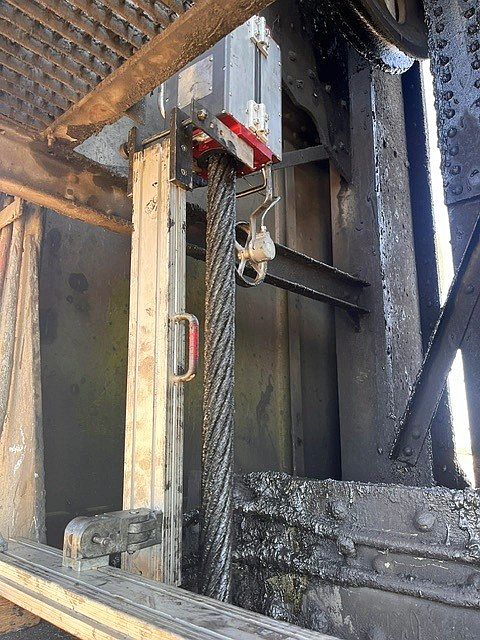
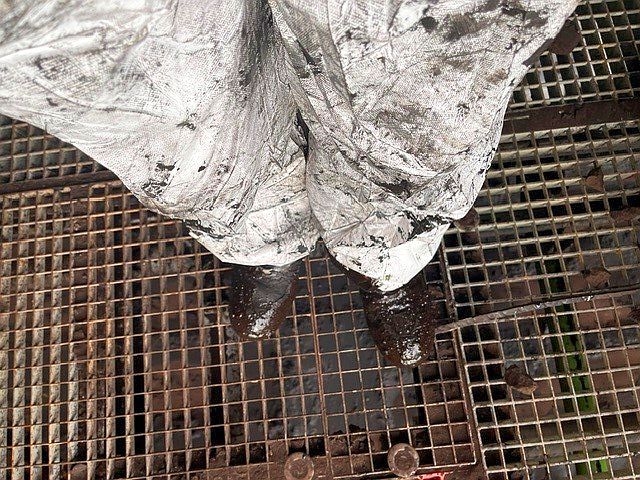
Built for harsh environments.
Anyone following our posts often sees cable cars set against impressive mountain backdrops, bathed in brilliant sunshine, and operating within perfectly maintained facilities. It would be easy to assume that our ROPESYS rope testing devices are primarily used in such environments.
The reality is often quite different. After all, rope testing under extreme conditions is part of everyday life for many of our customers. The most striking images usually come from the cleanest work sites, whereas the most demanding applications often remain in the background.
From freezing cold to extreme heat
The areas of application for our systems could hardly be more diverse. Some customers inspect ropes at temperatures as low as -24°C in automated cold-storage warehouses. Others work at temperatures above +50°C on casting cranes in steelworks.
In addition, there are operations deep underground in mines, as well as applications on some of the world’s highest cable cars at altitudes of nearly 5,000 meters.
Regardless of the location of use, the task remains the same: to reliably assess the condition of a rope and detect changes at an early stage.
Dirt is no obstacle.
ROPESYS rope inspection devices were developed precisely for such applications. After all, in practice, ropes are rarely clean or dry, nor are they accessible under ideal conditions.
Dirt, grease, dust, and moisture are part of the daily work environment, particularly in open-pit mines, offshore facilities, and industrial applications. This is where magnetic-inductive rope testing systems demonstrate their greatest strengths: they reveal the condition of the rope—both internally and externally.
A key advantage here is that the rope does not require extensive cleaning prior to inspection. The systems deliver reliable results even when dirt and grease obstruct a direct view of the rope.
Why you rarely see pictures of it
That leaves the question: why do our reports usually look significantly cleaner than the actual operational sites?
The answer is simple. In many industrial facilities, taking or publishing photographs is strictly prohibited. Anyone who has ever tried to take photos in sensitive production areas, mines, or security zones likely already knows the answer.
And even if photos were possible, snow-capped mountain peaks usually win out over dusty industrial sites. That is why our photos often show the most beautiful locations—not necessarily the toughest ones.
Conclusion
Rope inspections under extreme conditions take place daily around the world. Whether it involves cold, heat, altitude, depth, or dirt, the decisive factor is not the environment, but a reliable assessment of the rope’s condition.
That is exactly what ROPESYS rope testing devices are designed for.
ROTEC – we make ropes safe.
In the picture: